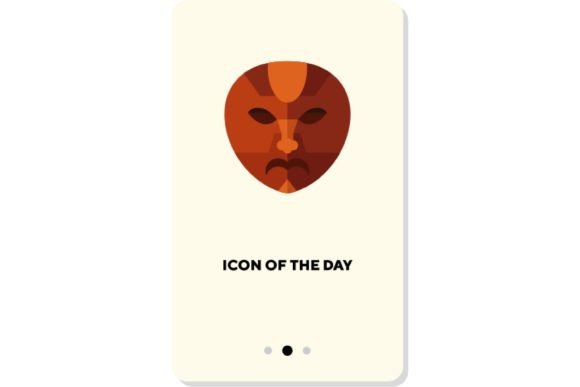
Demon Mask Flat Icon: Integrating Masquerade and Spirit Symbols into Modern Design Workflows
In the expansive library of digital assets available to contemporary designers, specific thematic elements often serve dual purposes that extend far beyond their literal interpretation. The demon mask flat icon, particularly those categorized under masquerade, spirit, and ritual concepts, represents a versatile visual tool. While initially associated with Halloween or traditional folklore, these vector illustrations have found a significant place in broader design ecosystems. For professionals ranging from UI/UX designers to brand strategists, understanding how to effectively implement these symbols is crucial for maintaining aesthetic consistency and enhancing user engagement.
The utility of a masquerade, spirit, ritual isolated vector lies in its adaptability. Unlike complex, photorealistic images, flat icons offer scalability and clarity, making them ideal for web design, mobile applications, and print media. This article explores the practical integration of these assets into various creative and business workflows, focusing on preparation, compatibility, and long-term usability.
Understanding the Asset: Beyond the Aesthetic
Before integrating any graphic element into a project, it is essential to understand its structural and semantic properties. A demon mask flat icon is not merely a decorative item; it is a communication tool. In design theory, masks often symbolize transformation, anonymity, protection, or the unveiling of hidden truths. When labeled as "spirit" or "ritual," these icons carry additional cultural weight, suggesting themes of heritage, celebration, or the supernatural.
For marketers and content creators, recognizing these underlying meanings allows for more strategic usage. For instance, a gaming application might use a demon mask to represent a specific character class or achievement level. Conversely, a cultural blog might employ a masquerade icon to denote articles related to global traditions or historical festivals. The key is to align the visual symbol with the intended message, ensuring that the icon enhances rather than distracts from the core content.
Pre-Implementation Preparation and Selection
Successful integration begins with careful selection and preparation. Not all vector files are created equal, and choosing the right asset can save hours of revision time later in the process.
- File Format Compatibility: Ensure the downloaded asset is in a scalable vector format such as SVG, AI, or EPS. These formats allow for infinite resizing without loss of quality, which is critical for responsive web design where icons must appear sharp on both mobile screens and high-resolution desktop monitors.
- Style Consistency: Evaluate the stroke width, corner radius, and overall complexity of the demon mask icon. It should match the existing design language of your project. If your app uses thin-line icons, a bold, filled masquerade mask will look out of place. Consistency in visual weight is paramount for professional polish.
- Color Palette Alignment: Most flat icons come in black or single-color defaults. Plan your color adaptation strategy early. Decide whether the icon will serve as a primary action button, a secondary informational marker, or a decorative background element. This decision dictates the color hierarchy and contrast requirements.
By addressing these factors during the planning phase, designers can avoid common pitfalls such as mismatched styles or pixelated outputs, ensuring a smoother workflow from concept to final deployment.
Integration in Web and App Design
Once selected, the demon mask flat icon can be integrated into various digital interfaces. Its application extends beyond seasonal themes, offering unique opportunities for branding and user experience enhancement.
User Interface (UI) Elements
In mobile applications, particularly those related to gaming, entertainment, or social networking, icons serve as navigational aids. A spirit mask icon could represent a "privacy mode" or "anonymous browsing" feature, leveraging the mask's association with hidden identity. Alternatively, in a fitness or wellness app, a ritual-themed icon might mark meditation sessions or mindfulness exercises, drawing on the concept of spiritual practice.
When implementing these icons, consider the following technical aspects:
- Accessibility: Always include appropriate alt text or ARIA labels for screen readers. Describing the icon as "demon mask icon" may not be sufficient if its function is contextual. Instead, use functional descriptions like "Toggle anonymous mode" or "View festival details."
- Interactive States: Design hover, active, and disabled states for the icon. Changing the opacity or color upon interaction provides immediate feedback to users, improving the overall usability of the interface.
- Scalability Testing: Test the icon at various sizes. Ensure that intricate details of the masquerade design remain visible even when scaled down to 16x16 pixels for favicon use or toolbar icons.
Content Marketing and Branding
For bloggers, publishers, and small business owners, these vector elements can enhance visual storytelling. Using a demon mask icon in header images, social media posts, or email newsletters can create a cohesive thematic campaign. For example, a travel agency promoting cultural tours in Japan or Venice might use masquerade icons to highlight traditional festivals, creating an immediate visual connection to the destination's heritage.
Consistency across platforms is vital. Ensure that the same version of the icon, with identical colors and styling, is used across your website, social media profiles, and printed materials. This reinforces brand recognition and professional credibility.
Workflow Efficiency and Asset Management
Integrating specific icons like the demon mask flat icon into a broader workflow requires efficient asset management. As projects grow, so does the library of graphical resources. Disorganized files can lead to duplicated efforts and inconsistent designs.
Centralized Libraries: Store your vector assets in a centralized digital asset management (DAM) system or a well-structured cloud folder. Use descriptive naming conventions, such as "icon-demon-mask-flat-v1.svg," to facilitate quick retrieval. Tagging files with keywords like "masquerade," "spirit," "Halloween," and "ritual" enables faster searching within large collections.
Version Control: Keep track of modifications made to the original vector. If you customize the color or shape of the demon mask for a specific client, save it as a new version rather than overwriting the original. This preserves the flexibility to reuse the base asset in future projects without needing to source it again.
Collaboration: When working with teams, ensure that all members have access to the same asset library. Using shared design tools like Figma or Adobe Creative Cloud Libraries allows real-time synchronization, preventing discrepancies between different designers' outputs.
Quality Control and Long-Term Usability
Maintaining high standards throughout the lifecycle of a design project involves rigorous quality control. Regularly audit your use of icons to ensure they remain relevant and technically sound.
Check for broken links or missing files in web deployments. Verify that updates to your content management system (CMS) have not altered the display properties of your SVG icons. Additionally, stay informed about design trends. While flat design remains popular, subtle shifts in style—such as the rise of neumorphism or glassmorphism—may require adjustments to how traditional flat icons are presented to maintain a modern appearance.
Long-term usability also involves considering the cultural sensitivity of certain symbols. While demon and spirit masks are widely used in festive contexts, be mindful of their origins and meanings in specific cultures. Conducting brief research or consulting with cultural experts can prevent unintended offense and ensure respectful representation, particularly in global marketing campaigns.
Conclusion
The demon mask flat icon, with its associations of masquerade, spirit, and ritual, is a powerful visual element when used strategically. By understanding its symbolic weight, preparing thoroughly for implementation, and integrating it seamlessly into digital workflows, designers and creators can enhance both the aesthetic appeal and functional clarity of their projects. Whether used in a mobile app interface, a branding campaign, or educational content, these vector symbols offer versatility and impact. Prioritizing consistency, accessibility, and efficient asset management ensures that these tools contribute positively to the overall success of your design endeavors, delivering value to users and stakeholders alike.