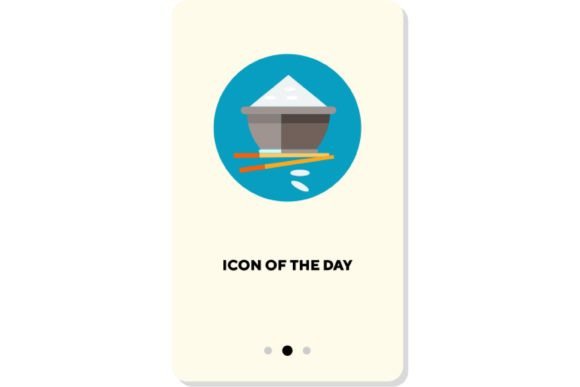
Sushi Rolls Flat Icon. Bowl of Rice Isol: Enhancing Digital Design with Asian Cuisine Symbols
In the fast-paced world of web and app design, visual communication often speaks louder than text. A well-chosen icon can instantly convey a concept, guide user behavior, and enhance the overall aesthetic of a digital product. This is where specific assets like the Sushi Rolls Flat Icon. Bowl of Rice Isol become invaluable resources for designers, developers, and content creators. These vector illustration symbol elements are not just decorative; they serve as functional tools that bridge the gap between traditional Asian cuisine concepts and modern digital interfaces.
Understanding how to effectively integrate these icons into your projects requires more than just dropping an image onto a canvas. It involves recognizing the cultural context, the design versatility, and the practical applications across various industries. Whether you are building a food delivery app, designing a travel blog, or creating educational materials about global cuisines, these isolated signs offer a clean, professional look that resonates with users.
The Power of Visual Simplicity in Food Tech
The rise of food technology has transformed how we interact with restaurants and menus. In this sector, clarity is king. Users scrolling through a delivery app need to identify categories quickly. A Sushi Rolls Flat Icon. Bowl of Rice Isol provides an immediate visual cue for Japanese or Asian cuisine sections. Unlike photographic images, which can be cluttered and slow to load, flat icons are lightweight and scalable. They maintain their crispness on high-resolution screens, ensuring that your interface looks professional on both smartphones and desktops.
Consider the user experience of a hungry customer browsing a multi-cuisine platform. When they see a stylized bowl of rice or a neatly arranged sushi roll, their brain processes the category almost instantaneously. This reduces cognitive load and speeds up the decision-making process. For UX designers, this means higher conversion rates and lower bounce rates. The isolation of the element—meaning it has no background—allows it to blend seamlessly into any color scheme or UI theme, offering maximum flexibility without the need for extensive editing.
Beyond Food Delivery: Broadening the Scope
While food apps are the most obvious application, the utility of these vector symbols extends far beyond. The tourism and hospitality industry heavily relies on visual storytelling. Travel agencies and booking platforms often use icons to highlight local experiences. A Sushi Rolls Flat Icon. Bowl of Rice Isol can be part of a larger set representing "Local Dining Experiences" or "Cultural Workshops" in Japan. It helps potential travelers visualize the culinary adventures awaiting them, adding an layer of authenticity to the marketing material.
Furthermore, educational platforms and language learning apps benefit significantly from these assets. When teaching vocabulary related to food or culture, visual aids are essential for retention. An isolated icon of a sushi roll or a rice bowl serves as a perfect companion to text definitions. It creates a multi-sensory learning environment that is engaging for students of all ages. Teachers and course creators can use these vectors in presentations, worksheets, and interactive quizzes, knowing that the clean lines and simple colors will remain legible even when printed in black and white or displayed on low-bandwidth connections.
Design Versatility and Customization
One of the primary strengths of vector illustration symbol elements is their adaptability. Designers often face the challenge of maintaining brand consistency across different mediums. A flat icon style is particularly advantageous because it is minimalist and modern. It fits well with contemporary design trends that favor whitespace and simplicity. When you choose a Sushi Rolls Flat Icon. Bowl of Rice Isol, you are selecting a asset that can be easily recolored to match your brand palette.
For instance, a health-focused brand might prefer softer, earthy tones for their rice bowl icon to evoke natural ingredients, while a trendy nightlife app might opt for bold, contrasting colors to make the sushi icon pop. The vector format ensures that no matter how much you scale or recolor the image, the quality remains pristine. This saves time and resources, as there is no need to commission custom illustrations for every slight variation in campaign themes.
Key Considerations for Implementation
Before integrating these icons into your project, there are several practical considerations to keep in mind. First, consider the context of use. While flat icons are versatile, they may not be suitable for luxury brands that rely on photorealistic imagery to convey premium quality. In such cases, these icons might work better as secondary elements in navigation menus or footers rather than as primary hero images.
Second, think about cultural sensitivity and accuracy. Sushi and rice are staples of Asian cuisine, but they represent specific traditions. Ensure that the iconography respects the cultural origins. The Sushi Rolls Flat Icon. Bowl of Rice Isol should be used in contexts that honor the cuisine, avoiding stereotypes or inappropriate combinations. Using these symbols in a respectful and accurate manner enhances the credibility of your brand and shows appreciation for the culture you are representing.
Third, evaluate the technical requirements. Although vector files are generally small, it is important to optimize them for web use. Convert them into appropriate formats like SVG for web implementation to ensure fast loading times and sharp rendering. If you are using them in print media, ensure you have the high-resolution versions to avoid pixelation.
Enhancing Social Media and Content Marketing
In the realm of social media, visual content drives engagement. Bloggers, influencers, and marketers constantly seek unique graphics to break up text-heavy posts or to create eye-catching stories. A Sushi Rolls Flat Icon. Bowl of Rice Isol can be a standout element in infographics about healthy eating, meal prep ideas, or restaurant reviews. Because the background is isolated, these icons can be layered over photos, patterns, or solid colors, allowing for creative compositions that stand out in crowded feeds.
For example, a nutritionist posting about the benefits of complex carbohydrates might use the rice bowl icon to visually anchor the discussion. A lifestyle blogger reviewing a new sushi spot could use the sushi roll icon as a bullet point in their list of recommendations. These small details add a professional polish to amateur content, helping creators build a cohesive and recognizable visual identity.
Conclusion: A Strategic Asset for Modern Design
The Sushi Rolls Flat Icon. Bowl of Rice Isol is more than just a graphic; it is a strategic asset that enhances communication, improves user experience, and adds aesthetic value to digital projects. From food tech apps to educational platforms, its applications are diverse and impactful. By understanding its strengths and considering the context of use, designers and creators can leverage these vector illustration symbol elements to create more engaging, efficient, and culturally respectful digital experiences. As visual communication continues to dominate the online landscape, having a library of high-quality, versatile icons like these is an essential tool for anyone looking to make their mark in the digital space.