Visualizing Flight: The Strategic Role of Civil Aviation Flat Icons in Modern Digital Design
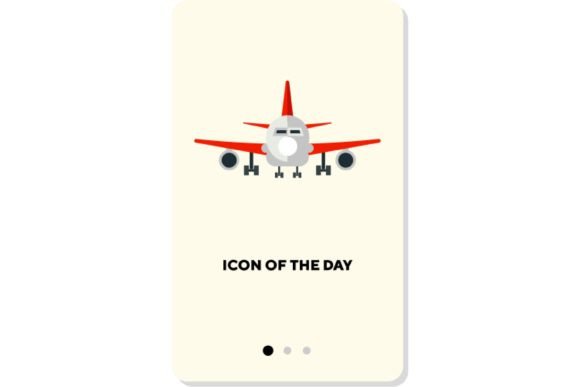
In the rapidly evolving landscape of digital interface design, visual communication has transcended mere decoration to become a fundamental pillar of user experience. Among the myriad symbols populating our screens, the Aviation Transports Flat Icon stands out as a critical element for clarity and efficiency. Specifically, the depiction of civil air transport—often rendered as a clean, front-view isolated vector sign—serves as an immediate cognitive shortcut for users navigating complex travel ecosystems. This article explores why this specific graphic asset is not just a decorative choice but a strategic necessity for professionals, creators, and entrepreneurs operating within the transportation, tourism, and logistics sectors.
The Evolution of Visual Language in Transportation
The shift toward flat design was not merely an aesthetic trend; it was a response to the need for faster load times, better scalability across devices, and improved readability. When we examine the Aviation Transports Flat Icon, we see the culmination of these principles. Unlike skeuomorphic designs that attempted to mimic real-world textures and shadows, flat icons strip away the non-essential, leaving only the core geometric forms that define an aircraft.
For civil aviation, this simplification is crucial. The front-view perspective, commonly used in these vector illustrations, offers a symmetrical and balanced composition that fits seamlessly into grid-based layouts. Whether displayed on a mobile app booking engine or a large-scale corporate dashboard, the icon remains legible. This consistency is vital for maintaining brand integrity and ensuring that users can intuitively understand navigation menus without cognitive friction.
Why the Front View Matters
While side profiles of airplanes are common, the front-view isolated vector sign provides a unique advantage in UI/UX design. It conveys stability and directness. In the context of web design and apps, this orientation allows for easier integration with text labels and other interface elements. The symmetry of the wings and fuselage creates a visual anchor that draws the eye, making it an effective call-to-action indicator or category header.
Moreover, the isolation of the vector sign ensures versatility. Designers can manipulate the color palette to match specific brand identities without losing the structural integrity of the image. This adaptability is essential for marketers and freelancers who must deliver customized solutions for diverse clients, from budget airlines to luxury private jet services.
Aligning with Industry Trends and Consumer Expectations
The relevance of the Aviation Transports Flat Icon extends beyond aesthetics; it aligns with broader industry trends emphasizing speed, transparency, and accessibility. As global travel rebounds and evolves, consumers are increasingly demanding seamless digital experiences. They expect to book flights, track cargo, and manage itineraries with minimal effort. In this environment, clear visual cues are not optional—they are expected.
Consider the rise of super-apps and integrated travel platforms. These applications aggregate various services, including flights, hotels, and ground transportation. Within such dense interfaces, distinct and recognizable icons are necessary to prevent user overwhelm. The civil aircraft icon acts as a universal signifier, transcending language barriers and cultural differences. This universality is particularly valuable for entrepreneurs looking to scale their services globally.
- Enhanced Usability: Flat icons reduce visual clutter, allowing users to focus on primary tasks such as selecting flight dates or comparing prices.
- Cross-Platform Consistency: Vector formats ensure that the icon looks sharp on everything from smartwatches to 4K monitors, supporting responsive design strategies.
- Brand Differentiation: While the shape may be standard, custom color schemes and subtle stylistic tweaks allow brands to maintain a unique visual identity.
The Role of Technology in Iconography
Advancements in web technologies have further cemented the importance of vector-based graphics. SVG (Scalable Vector Graphics) files, which are commonly used for these icons, are lightweight and code-friendly. They can be animated with CSS or JavaScript, adding a layer of interactivity that enhances user engagement. For instance, a subtle hover effect on an aviation icon can provide immediate feedback, confirming to the user that their action has been registered.
This technical flexibility supports the growing demand for dynamic content. Marketers and developers can now create more immersive experiences without compromising performance. The Aviation Transports Flat Icon is no longer a static image but a potential interactive element that contributes to the overall narrative of the digital journey.
Practical Applications for Creators and Businesses
Understanding the theoretical benefits of these icons is one thing; applying them effectively is another. For freelancers and agencies, mastering the use of civil aviation icons can significantly enhance the value proposition offered to clients. Here are several practical scenarios where these assets play a pivotal role:
- Travel Booking Platforms: Use the front-view aircraft icon as a primary navigation item for flight searches. Its clear symbolism reduces the learning curve for new users.
- Logistics and Supply Chain Dashboards: In B2B contexts, the icon can represent air freight options. Combining it with data visualization tools helps managers quickly assess shipping methods and costs.
- Corporate Travel Management: Internal apps for employee travel can utilize these icons to distinguish between policy-compliant flight options and other transport modes.
- Tourism Marketing Materials: Digital brochures and landing pages benefit from the clean look of flat icons, which complement high-quality photography without competing for attention.
Each of these applications highlights the versatility of the Aviation Transports Flat Icon. By integrating these elements thoughtfully, designers can create interfaces that are not only functional but also visually appealing and aligned with modern design standards.
Meeting Changing Workflow Needs
The modern workflow for designers and developers is increasingly collaborative and iterative. Assets like vector icons facilitate this process by being easy to share, edit, and implement. Cloud-based design tools allow teams to work on the same icon set simultaneously, ensuring consistency across different parts of a project. This efficiency is crucial in fast-paced environments where time-to-market is a competitive advantage.
Furthermore, the availability of high-quality, pre-made vector signs allows creators to focus on higher-level strategic decisions rather than getting bogged down in basic graphic creation. This shift enables professionals to devote more energy to user research, testing, and optimization, ultimately leading to better product outcomes.
The Broader Impact on Digital Culture
Beyond immediate business applications, the prevalence of symbols like the Aviation Transports Flat Icon reflects a larger cultural shift toward minimalism and efficiency. In an information-saturated world, users crave simplicity. They prefer interfaces that respect their time and cognitive load. By adopting clean, standardized iconography, businesses signal that they understand and value these preferences.
This alignment with user expectations fosters trust and loyalty. When a platform feels intuitive and easy to use, users are more likely to return and recommend it to others. For entrepreneurs and marketers, this means that investing in high-quality design assets is not just a cost but a strategic investment in customer retention and brand equity.
Additionally, the global nature of aviation makes these icons powerful tools for inclusivity. They help bridge gaps between different languages and cultures, making digital services more accessible to a wider audience. This inclusivity is increasingly important as businesses expand into new markets and seek to serve diverse customer bases.
Conclusion: Embracing Clarity in Design
The Aviation Transports Flat Icon, particularly the civil air front-view isolated vector sign, is more than a simple graphic element. It is a testament to the power of clear, efficient visual communication in the digital age. For professionals, creators, and entrepreneurs, understanding how to leverage these assets can lead to more effective designs, better user experiences, and stronger business outcomes.
As technology continues to advance and user expectations evolve, the demand for high-quality, versatile icons will only grow. By staying attuned to these trends and prioritizing clarity in their design choices, businesses can ensure that they remain relevant and competitive in the global marketplace. Whether you are building a new travel app, redesigning a corporate dashboard, or creating marketing materials, the right icon can make all the difference. Embrace the simplicity and power of flat design, and let your visuals speak clearly to your audience.
For those looking to enhance their digital projects, exploring comprehensive libraries of vector illustration symbol elements for web design and apps is a prudent next step. These resources provide the foundation for creating cohesive, professional, and user-friendly interfaces that stand out in a crowded digital landscape.