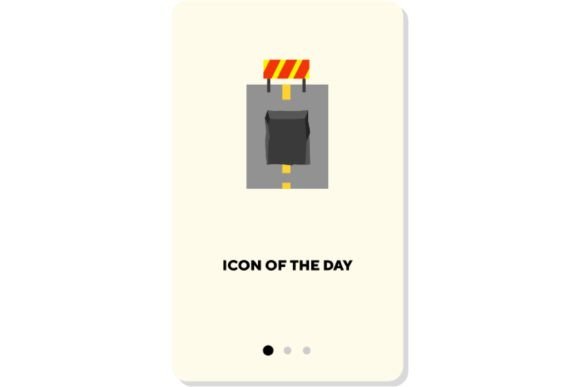
Visualizing Infrastructure: The Strategic Value of Road Surface Flat Icons and Asphalt Way Isolation in Digital Design
In the rapidly evolving landscape of digital interface design, the ability to communicate complex real-world concepts through simplified visual symbols is paramount. Among the myriad of icons available to designers, the road surface flat icon has emerged as a critical asset for applications ranging from logistics software to urban planning dashboards. Specifically, the depiction of an asphalt, way iso (isometric) or isolated vector sign offers a unique blend of aesthetic clarity and functional utility. These graphical elements are not merely decorative; they serve as cognitive shortcuts that help users instantly recognize themes related to construction, transportation, navigation, and infrastructure development.
The integration of a roadway and construction concept into web design and mobile applications requires more than just placing an image on a screen. It demands an understanding of how users perceive spatial relationships and industrial symbols. By utilizing high-quality vector illustration symbol elements, developers can ensure that their interfaces remain sharp, scalable, and contextually relevant across various devices and resolutions. This article explores the multifaceted role of these icons, examining their design characteristics, practical applications, and the technical considerations necessary for effective implementation.
The Anatomy of Effective Road and Asphalt Iconography
To understand why a road surface flat icon is effective, one must first appreciate the design principles behind it. Flat design, characterized by minimalism and the absence of three-dimensional effects like gradients or shadows, prioritizes usability and speed. When applied to infrastructure elements such as asphalt roads, this style strips away unnecessary detail, focusing instead on the essential geometry of the subject. An asphalt, way isolated vector sign typically features clean lines, distinct color palettes often dominated by grays, blacks, and whites, and a clear representation of texture or pattern, such as lane markings or cracks.
The term "isolated" is particularly significant in this context. It implies that the graphic element is presented against a transparent background, allowing it to be seamlessly integrated into various design layouts without clashing with existing color schemes or backgrounds. This versatility is crucial for modern web design, where dynamic content often requires icons to adapt to different themes, such as light mode versus dark mode. Furthermore, the vector nature of these illustrations ensures that they can be scaled infinitely without losing quality. Whether displayed on a small smartwatch screen or a large desktop monitor, the roadway and construction concept remains crisp and legible.
Isometric variations, such as the asphalt, way iso, add a layer of depth that can be beneficial for specific use cases. Isometric projections provide a 3D perspective without the distortion of true perspective, making them ideal for illustrating layers of road construction, underground utilities, or complex traffic intersections. This style allows designers to convey more information within a single icon, such as showing the thickness of the asphalt layer or the relationship between the road surface and the surrounding environment.
Practical Applications in Logistics and Navigation Systems
One of the most prominent sectors benefiting from high-quality road surface flat icons is the logistics and transportation industry. In fleet management software, delivery tracking apps, and supply chain dashboards, visual clarity is essential for quick decision-making. Icons representing asphalt roads, highways, and construction zones allow users to instantly interpret status updates, route conditions, and potential delays.
- Route Optimization: When displaying multiple route options, distinct icons for different road types (e.g., paved asphalt vs. unpaved gravel) help users choose the most suitable path for their vehicles.
- Real-Time Traffic Updates: Construction icons derived from asphalt, way isolated vector signs can indicate roadworks, lane closures, or surface repairs, enabling drivers to avoid congested areas.
- Fleet Maintenance: Icons depicting road surfaces can be used in maintenance logs to record the condition of routes frequently traveled by company vehicles, helping to predict wear and tear on tires and suspensions.
For navigation applications, the use of standardized vector illustration symbol elements ensures consistency across the user interface. Users become familiar with these symbols over time, reducing the cognitive load required to interpret map data. For instance, a specific icon for "fresh asphalt" might indicate a newly repaired road, suggesting a smoother ride, while a cracked road icon might warn of potential hazards. This level of detail enhances the user experience by providing actionable information at a glance.
Enhancing Urban Planning and Construction Management Tools
Beyond consumer-facing applications, roadway and construction concept icons play a vital role in professional tools used by civil engineers, urban planners, and construction managers. In project management software, these icons serve as visual markers for different phases of infrastructure development. An asphalt, way iso graphic might represent the paving stage of a project, while other symbols could denote excavation, foundation laying, or final inspection.
The ability to isolate these elements allows for the creation of custom infographics and reports. Planners can combine various road surface flat icons to illustrate proposed changes to city infrastructure, presenting complex data in a visually engaging format. This is particularly useful when communicating with stakeholders who may not have technical expertise in civil engineering. By using recognizable symbols, professionals can bridge the gap between technical jargon and public understanding.
Moreover, in Building Information Modeling (BIM) and Geographic Information Systems (GIS), lightweight vector icons are preferred for their performance benefits. Large-scale maps containing thousands of data points require assets that do not burden the system’s rendering capabilities. Vector illustration symbol elements are inherently lightweight compared to raster images, ensuring smooth interaction and faster load times even when displaying extensive datasets.
Design Considerations for Web and App Integration
Implementing road surface flat icons effectively requires attention to several technical and aesthetic factors. First and foremost is consistency. All icons within a set should share the same stroke width, corner radius, and visual weight. If an asphalt, way isolated vector sign uses a 2-pixel stroke, all other related icons, such as traffic lights or street signs, should adhere to the same standard. This uniformity creates a cohesive visual language that enhances the professionalism of the application.
Color usage is another critical consideration. While flat design often employs bold, solid colors, infrastructure icons typically benefit from a more restrained palette to maintain realism and recognizability. Shades of gray, black, and white are standard for asphalt, but accent colors can be used to highlight specific features, such as yellow lane markings or red construction barriers. It is essential to ensure sufficient contrast between the icon and its background to meet accessibility standards, particularly for users with visual impairments.
- Scalability: Ensure that the vector files are optimized for web use, removing unnecessary nodes and metadata to reduce file size without compromising quality.
- Accessibility: Provide alternative text (alt text) for all icons to ensure that screen readers can describe the content to visually impaired users. For example, an icon should be labeled "Road construction zone" rather than just "icon."
- Contextual Relevance: Choose the appropriate style (flat vs. isometric) based on the overall design language of the application. Mixing styles can create visual dissonance and confuse users.
Additionally, designers should consider the cultural context of their audience. While road symbols are largely standardized internationally, slight variations exist. For global applications, it is advisable to use universally recognized symbols or to customize icons based on regional standards. This attention to detail demonstrates a commitment to user-centric design and enhances the overall usability of the product.
The Future of Infrastructure Iconography in Digital Interfaces
As technology advances, the demand for sophisticated road surface flat icons and related graphical assets continues to grow. The rise of smart cities and Internet of Things (IoT) devices means that more data related to infrastructure is being collected and displayed in real-time. Icons will need to evolve to represent dynamic states, such as traffic flow intensity, road temperature, or structural integrity metrics.
Furthermore, the integration of augmented reality (AR) and virtual reality (VR) into urban planning and navigation opens new avenues for the use of asphalt, way iso graphics. In AR applications, 3D models of road surfaces can be overlaid onto the real world, providing users with immersive information about their surroundings. Vector-based assets are ideal for these environments due to their flexibility and ease of manipulation in 3D space.
Ultimately, the value of a roadway and construction concept icon lies in its ability to simplify complexity. By transforming abstract data into tangible visual symbols, designers empower users to interact with technology more intuitively. Whether for a simple navigation app or a complex engineering dashboard, the careful selection and implementation of vector illustration symbol elements are fundamental to creating effective, user-friendly digital experiences. As we move toward increasingly connected and data-driven societies, the role of clear, concise visual communication in infrastructure management will only become more significant.